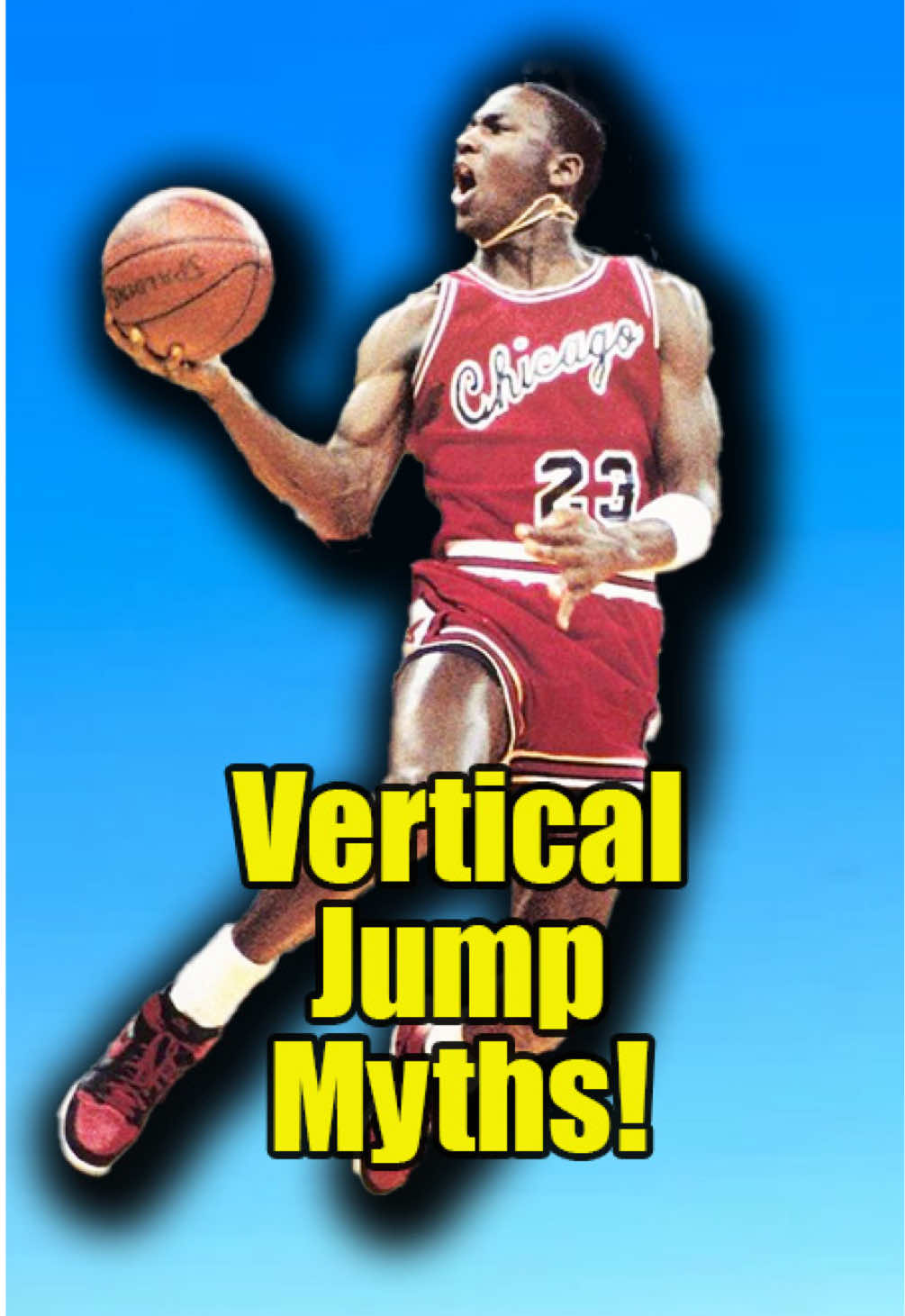
NBA vertical numbers get repeated as if somebody measured every player on the same day with the same equipment. A lot of them have no test behind them. Michael Jordan's supposed 48 inches is the one I hear most, even though Jordan said he had never had his vertical measured. I put his best visible jumps closer to 43 or 44. Still crazy high. Just a different claim.
How I get a number from a dunk
First, I look for the highest useful jump, not just the most famous poster. A clean lob, a height check or a dunk-contest attempt might show more than a crowded game play. Then I compare the top of the player's head with the rim or the bottom of the net. If he is six-foot-six in shoes, for example, head level with a ten-foot rim takes about 42 inches. A couple of inches over the rim puts him a couple of inches higher than that.
That math is easy. Finding a good clip is the hard part. A low camera angle can make the head look higher. The player may duck. The net can swing. A defender may give him a boost, or the ball may keep him from jumping his highest. So I would rather give you the clip and a reasonable range than pretend the footage can settle a tenth of an inch.
A combine result is its own kind of evidence. The NBA glossary separates a standing vertical from a maximum vertical with a few steps. Neither test is exactly the same as a one-foot distance dunk or a two-foot lob in a game. The games versus warmups breakdown explains why the setting can change the jump too.
The estimates
These are my readings of the jumps in the linked videos, unless a row says otherwise. The commonly cited figure is labeled as a combine result, player claim or unverified report when that context matters. None should be confused with my footage estimate. Where I could not find a dependable commonly cited number, the table says so. Click the breakdown for the clip and reasoning; rows without a separate article link to the source video below.
| Player | Commonly cited figure | Approximate estimate | Breakdown |
|---|---|---|---|
| Michael Jordan | 48 in (unverified) | 43 to 44 inches | Why 48 inches is unverified |
| Wilt Chamberlain | 48 in; Wilt claimed 52 | About 34 to 35 inches | Wilt’s source video |
| Darrell Griffith | 48 in (unverified) | About 40 inches, possibly 42 | Griffith’s source video |
| Shaedon Sharpe | 49 in (unverified workout) | About 42 to 44 inches | Sharpe’s source video |
| Ja Morant | 43.8 in (NBA graphic) | About 47 inches in the newer video | Morant’s two-foot jump |
| Stephen Curry | 35.5 in (2009 combine) | About 34 inches | Curry’s warmup lobs |
| Spud Webb | 42 in (reported college figure) | 42 to 44 inches | Webb’s contest footage |
| Shawn Kemp | 40 to 42 in (often repeated) | 36 to 37 inches | Kemp’s rim position |
| Anthony Edwards | 41.5 in (reported Georgia test) | About 43 inches | Edwards and contact |
| Blake Griffin | 35.5 in (2009 combine) | About 40 inches | Griffin’s highest lobs |
| Kobe Bryant | 38 in (unverified) | 40 to 42 inches | Bryant’s putback and rim position |
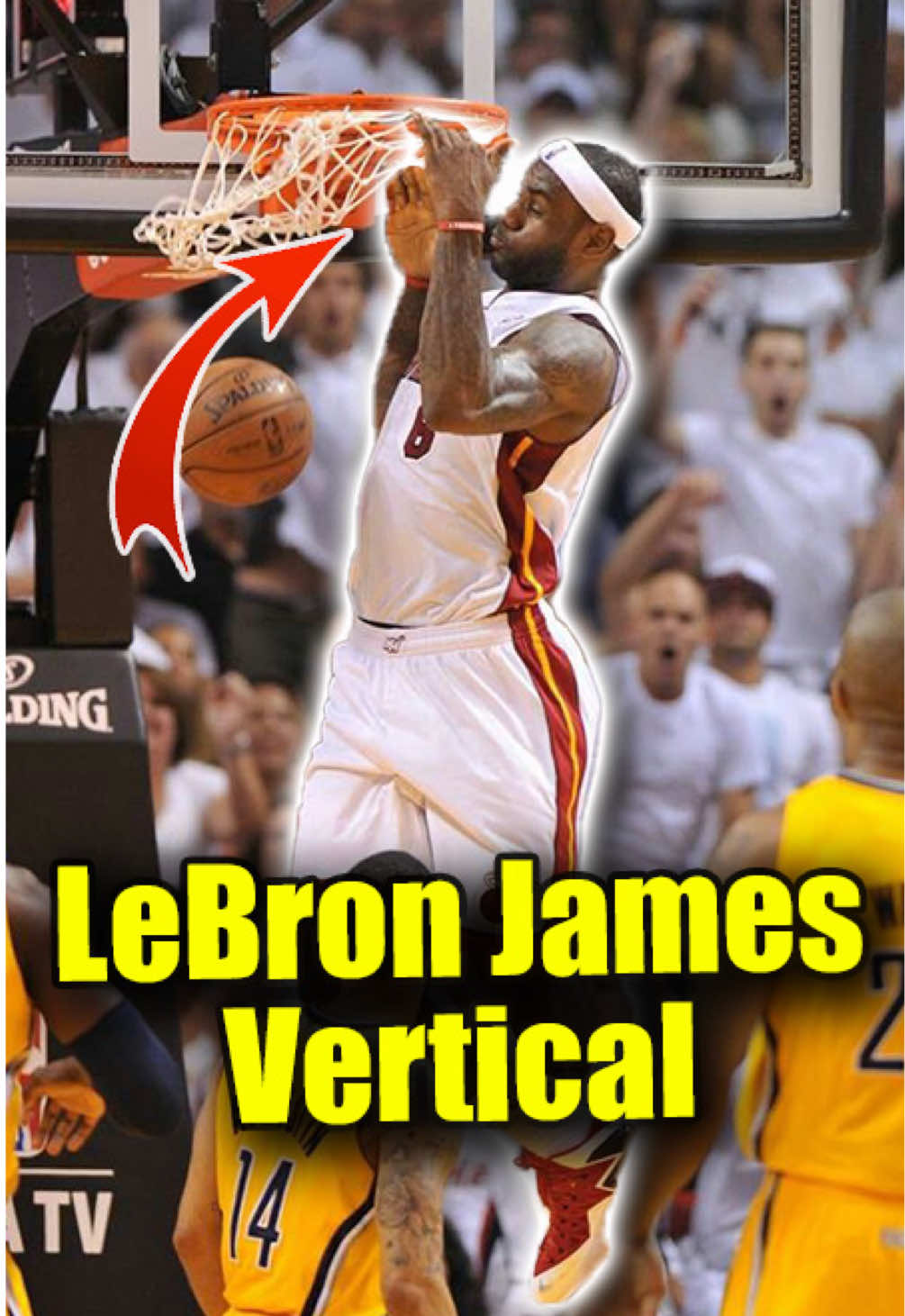
| LeBron James | 44 in (unverified) | 41 to 43 inches | LeBron’s high jumps |
| Gerald Green | 43 in (2005 report) | 45 to 46 inches | Green’s height checks |
| Amen Thompson | 44 in (reported OTE test) | 40 to 42 inches | Why the estimate is cautious |
| Zach LaVine | 46 in (often quoted; see note) | About 43 inches | LaVine and his combine result |
| Derrick Rose | 42 in (Rose’s claim) | 42 to 43 inches | Rose’s source video |
| Aaron Gordon | 39 in (2014 combine) | About 39 inches | Gordon’s source video |
| Victor Wembanyama | No consistent figure | 32 to 33 inches | Wembanyama’s source video |
| Russell Westbrook | 36.5 in (draft combine) | About 42 inches | Westbrook’s source video |
The first video also covers Wilt Chamberlain, Darrell Griffith and Shaedon Sharpe. I do not see footage that backs the huge numbers often attached to them. Sharpe is a good example of why the exact jump matters: in an earlier comparison with Ja Morant, I put one particular Sharpe alley-oop around 41 to 42 inches. My later range of 42 to 44 is about his highest-looking jumps, not that one alley-oop.
Two videos with several players each
In the first, I go through LeBron, Gerald Green, Derrick Rose and Amen Thompson. LeBron's head above the rim gives us a useful reference. Gerald's practice checks may be higher than his famous windmill. Rose looks just below rim level, while Amen is harder to judge because I cannot find the same kind of clear maximum jump.
The next clip covers Zach LaVine, Aaron Gordon, Victor Wembanyama and Russell Westbrook. Gordon's combine number looks reasonable to me. Wembanyama is a tough call because even his exact playing height, standing reach and effort in the warmup clips matter. Westbrook looks higher in games than the combine number quoted in the video.
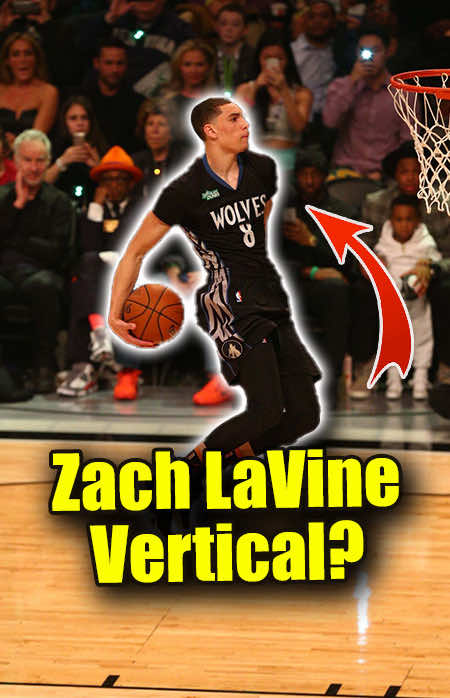
One combine number in that clip needs context. It calls 46 inches LaVine's 2014 NBA combine result, while the Suns' draft profile lists 41.5 inches under combine measurements. My film estimate of around 43 is a separate judgment about later footage. The LaVine article explains both.
What could change an estimate
A clearer jump, a trustworthy test record or a corrected height can move one of these numbers. My older Ja Morant comparison put him near 46; after looking at more of his highest two-foot jumps, I put him near 47. That is a change in my estimate, not proof that Ja suddenly gained an inch. If you are trying to measure your own jump, use the vertical jump calculator instead of reading an NBA highlight like a test.